


Fortunately, modern bone grafting techniques can regenerate bone, restore functionality, and
enhance aesthetic appearance making dental implants a viable option for many patients.
Sources of Bone
Bone harvested from your own body (jaw, hip, or tibia).
Bone obtained from a tissue bank, prepared from cadaver sources to safely stimulate new bone growth
Often combined with your own blood factors to accelerate bone regeneration.
Guided Bone Regeneration
Special dissolvable membranes are used under the gum to protect
the graft site and encourage proper bone growth.
Major bone grafts typically address defects from traumatic injuries,
tumor surgeries, or congenital anomalies. These procedures are
performed in an operating room and may require a hospital stay.

Sinus Lift
Procedure
For patients with insufficient bone in the posterior
upper jaw due to a thin sinus floor, a sinus lift
(or sinus graft) is an effective solution.

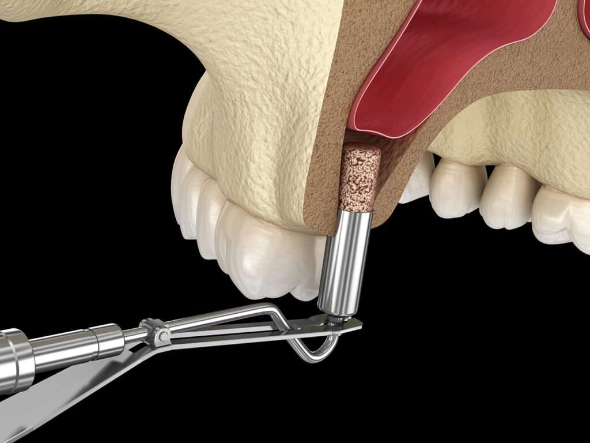
Procedure Overview
The dental implant surgeon accesses the sinus through the area where the upper teeth once were.
The sinus membrane is carefully lifted upward, and donor bone is placed in the sinus floor.
Over time, the grafted bone integrates with your natural bone, creating a stable foundation for dental implants.
Benefits
- Restores bone height in the upper jaw, enabling the
placement of implants. - Restores bone height in the upper jaw, enabling the
placement of implants.

Ridge
Expansion
When the jaw ridge has reabsorbed to a point where it
is too thin for conventional implants, a ridge expansion
procedure may be recommended.


The bony ridge is mechanically expanded to increase its height and/or width.
Bone graft material is then placed in the expanded area and allowed to mature before implant placement.
Restores sufficient bone dimension tosecurely support
dental implants, improving both function and appearance.

Nerve
Repositioning
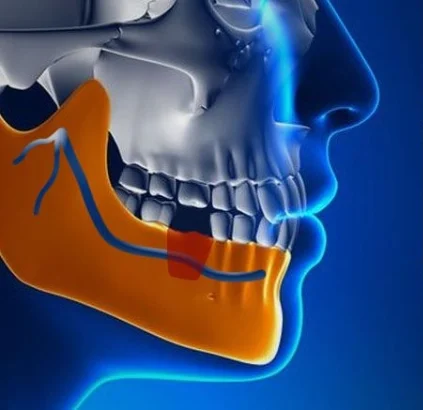
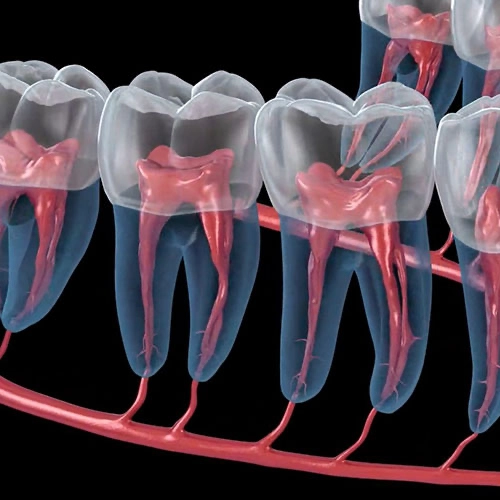
In some cases, the inferior alveolar nerve in the
lower jaw may interfere with implant placement.
Nerve repositioning is an a dvanced procedure
used to safely relocate this nerve bundle.
Procedure Overview
An incision on the outer cheek side of the lower jaw exposes the nerve and vessel canal.
The nerve is carefully isolated and gently repositioned to create space for implant placement.
Bone graft material is used to secure the nerve and promote healing.
Benefits
- This aggressive approach is typically reserved for
cases where alternative methods (such as blade implants)
are not feasible. - Some postoperative numbness in the lower lip and
chin may occur, though this usually improves over time.
Recovery & Aftercare
Bone grafting surgeries at Desert Maxillofacial are performed
in our state-of-the-art out-office surgical suite under IV sedation or general anesthesia.
Sources of Bone
Bed rest is recommended for one day post-surgery. Limited physical activity is advised for at least one week.
Regular check-ups are scheduled to monitor
healing and integration of the graft material.
Why Choose Bone
Grafting at Desert
Maxillofacial?

Every patient’s condition is unique; our experts develop individualized plans that ombine the best techniques and materials for optimal bone regeneration.
With cutting-edge procedures like guided bone regeneration and computer guided surgery, we ensure precision and predictability in every graft.
Our board-certified surgeons have extensive experience in both minor and major bone grafting, ensuring superior results.
Ready to explore your dental implant options?





Get in Touch
Now Serving Palm Springs
Address
1900 E Tahquitz Canyon Way, STE A1
Palm Springs, CA 92262
Contact
Phone: 760-837-1515
Office Hours
Opening hours Mon – Sat 8.00 – 18.00
Sunday CLOSED